
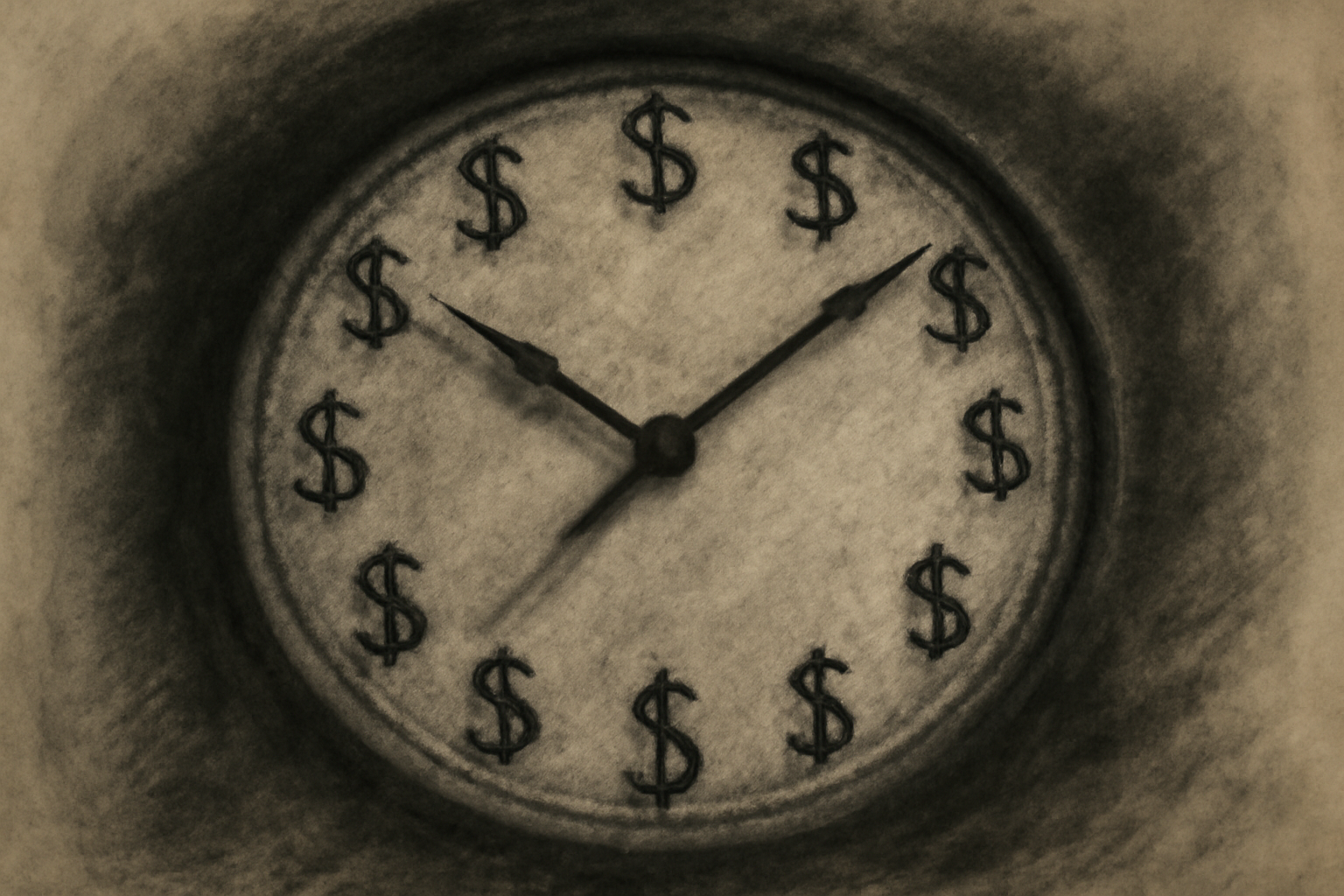
A rate lock is a lender's guarantee that a borrower's quoted interest rate will stay the same for a specified period, typically lasting between 30 and 60 days. During this lock-in period, market fluctuations will not impact the agreed interest rate, shielding borrowers from potential upticks that could affect affordability.
To effectively utilize a rate lock, homeowners should consider a few key factors:
Lock Duration: The lock-in period should align with the expected timeframe to close on a home. If the period is too short and expires before closing, borrowers may need to renegotiate the rate, potentially at higher market levels.
Costs: Some lenders might charge a fee for locking in a rate, particularly if an extended lock period is required beyond the standard 60 days. Understanding these potential costs in advance is essential.
Market Trends: Locking a rate can be beneficial in a rising interest rate environment. However, if rates are expected to decrease, locking a rate may not be advantageous, and one should assess market projections.
Extensions: If closing is delayed beyond the lock period, an extension may be required, which could incur additional fees. It's important to inquire about the terms for extending the rate lock.
Rate locks are a critical tool in protecting mortgage affordability, providing peace of mind amidst the oftentimes volatile nature of interest rates.
Related reading: the pre-approval timeline and your loan estimate.